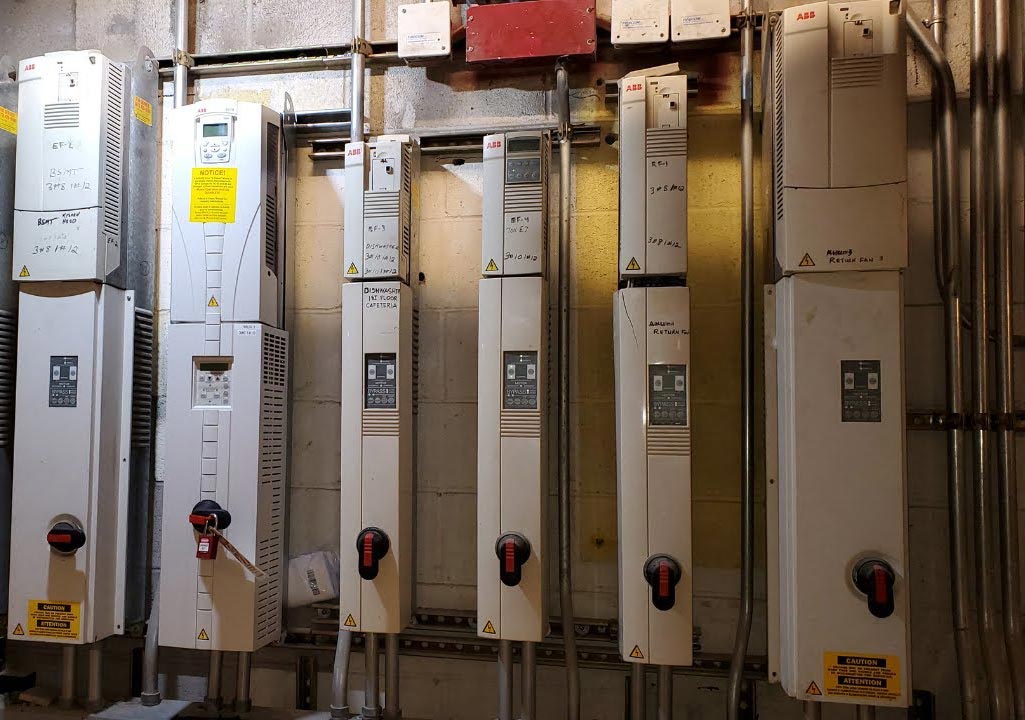
A variable speed drive, also known as a VSD, is a device designed to regulate motor speed by adjusting the electrical supply. This technology is instrumental in ensuring optimal cooling for traditional motors, preventing overheating.

Electrical motors collectively consume over 115 million MWh annually. By tailoring energy usage to specific needs, a plant utilising a 30 kWh motor for 5,000 hours annually could save more than 76,500 kWh compared to conventional methods like dampers.
Contrary to concerns, pulse width modulation drives (PWD) work across a broad range of applications, from 0.5 HP to 500 HP. Various types like source inverters (CSI) and voltage source inverters (VSI) cater to specific needs, accommodating both small and large setups.
Variable speed drives, such as pulse width modulation drives, boast efficiency rates between 92 and 96 percent, contributing to energy savings.
Many variable frequency drives can withstand small power output dips, ensuring continuous operation and preventing downtime.
With precise voltage control, the variable speed of the drive facilitates the ability to ramp up or down operations as required, allowing motors to run at specific speeds or stop at precise times.
Unlike single-speed motors subjected to high initial torque during startup, variable frequency drives enable a gradual increase in torque, minimising wear and tear.
Motors play a vital role in various industries, consuming over 65 percent of industrial electricity. Variable frequency drives find applications in diverse sectors, including:


Variable frequency drives are employed to control motor speed, offering a solution to the inefficiencies of traditional methods involving fuel flow adjustments. Unlike two-speed settings or temporary fuel supply interruptions, variable speed drives finely adjust the current flow to the motor, allowing for flexible and energy-efficient control.
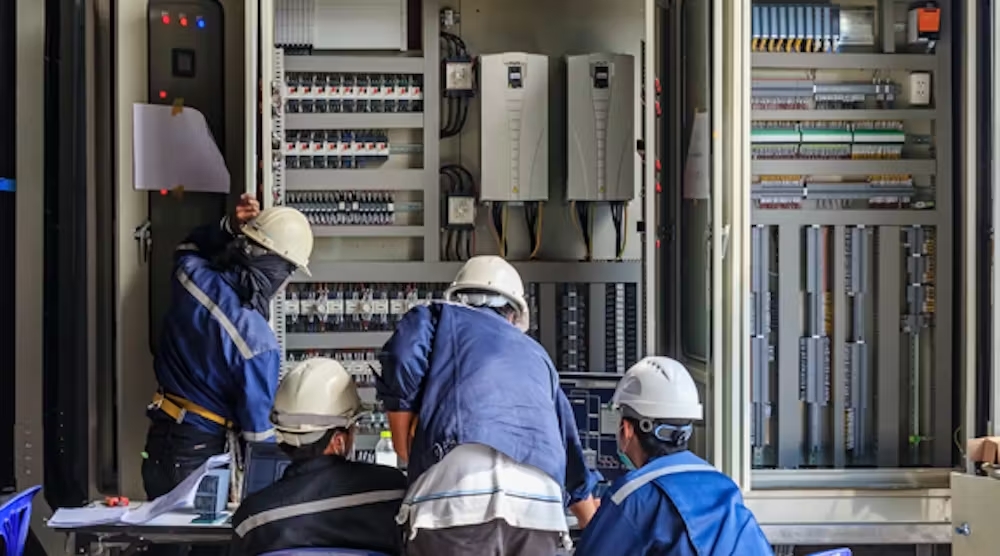
Like all industrial electrical equipment, they need to be installed, calibrated and maintained to Australian regulations and safety standards by qualified electricians. Often they come under the control of your PLC system in Warehouses, Plants, Factories and other industrial complexes.
For more info on how we can help you with variable frequency drives including their installation, maintenance or configuration then contact Horsell Electrical in Maitland today. We serve the Newcastle and Maitland are in all aspect of commercial and industrial electrical services, including 24/7 emergencies.

We pride ourself on our work and our customer satisfaction. Our local reputation in and around Newcastle and Maitland is important to us, so we want every customer to be fully satisfied with the jobs we do. Building relationships in the area with customers, businesses and community work is our aim, not to make a quick buck. Above all we are affordable and offer great value.
A Variable Frequency Drive (VFD) is an electrical device used to control the speed and torque of an electric motor by adjusting the frequency and voltage supplied to the motor. VFDs are commonly used to optimise the performance of motors in various industrial applications
Using a VFD offers several benefits, including:
• Energy Savings: By adjusting motor speed to match the load requirements, VFDs can significantly reduce energy consumption
• Increased Equipment Lifespan: VFDs provide smoother starts and stops, reducing wear and tear on motors and extending their lifespan.
• Enhanced Process Control: VFDs allow for more precise control of motor-driven equipment, improving the efficiency and quality of industrial processes
VFDs can be used with various types of motors, including:
• Induction motors
• Synchronous motors
• Asynchronous motors - They are commonly used in industries such as HVAC, pumps, conveyors, and other equipment that require adjustable motor speeds
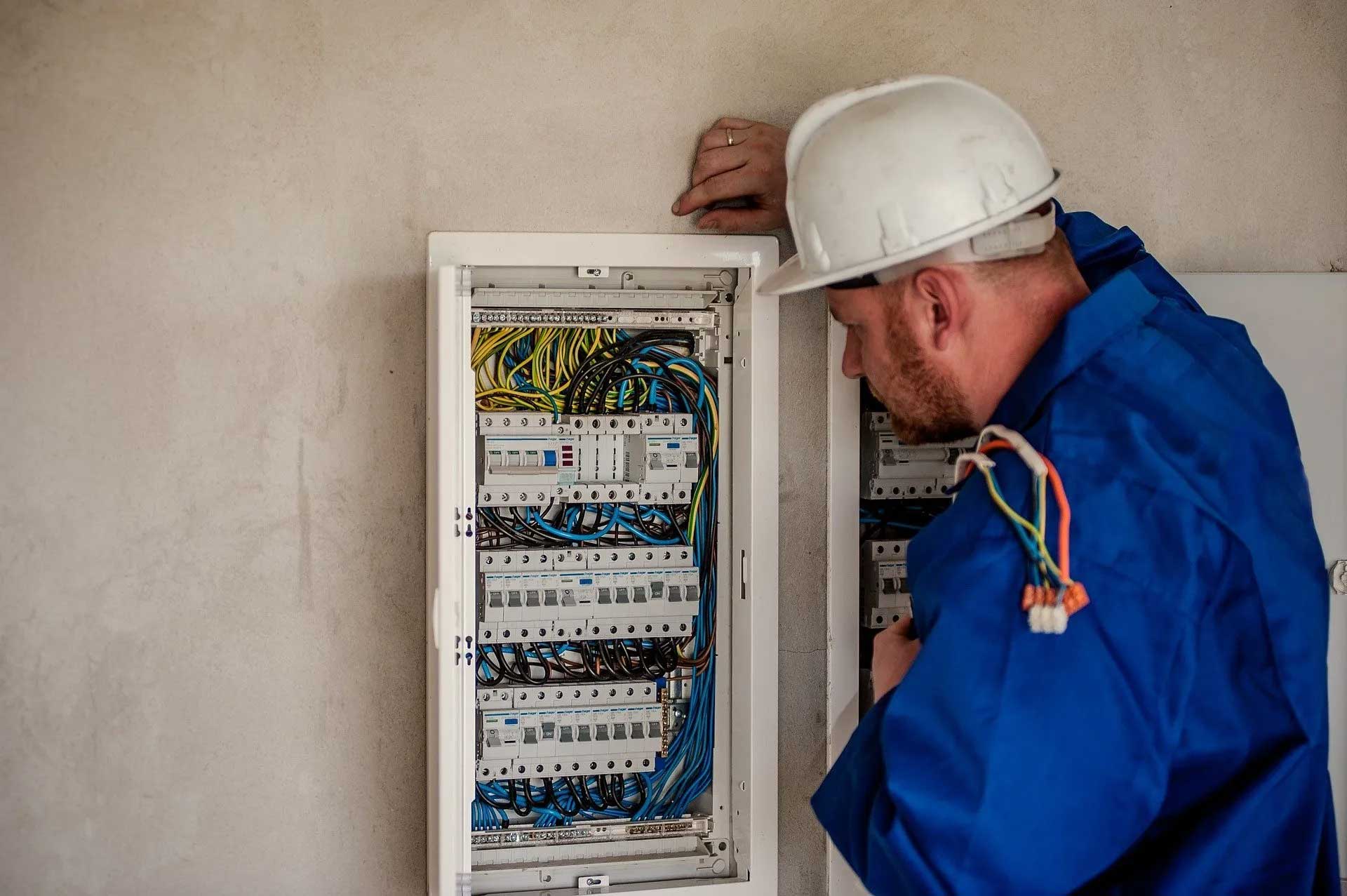
If your equipment or processes involve motors that require speed control or you are looking to optimise energy usage, a VFD might be the right solution. A licensed electrician can assess your equipment and recommend whether installing a VFD will provide operational or energy-saving benefits
While VFDs are widely used in various industrial applications, they may not be suitable for all motors or systems. For example, some older motors or systems may not be compatible with VFDs without significant modifications. An assessment by an experienced electrician can help determine if a VFD is suitable for your specific needs
Yes, VFDs can be used to control multi-motor systems, either by using a single VFD to control multiple motors or by using separate VFDs for each motor. The configuration will depend on your system's requirements and how the motors are connected
Installing a VFD in your business can:
• Reduce operating costs by lowering energy consumption.
• Improve productivity through better control over motor speeds and performance.
• Enhance reliability by reducing the strain on motors and other electrical components.
• Reduce maintenance by providing smoother starts and stops, which reduces wear on equipment
The installation time for a VFD depends on factors such as the complexity of your system and the number of motors being controlled. Typically, the installation can take anywhere from a few hours to a few days. Our team will assess your system and provide an accurate estimate of the installation time
Yes, VFDs should be regularly maintained to ensure optimal performance. Regular checks should be performed on the drive’s cooling system, wiring, and settings to ensure the VFD operates efficiently and lasts longer. Our team can provide ongoing maintenance to keep your VFD systems in peak condition
You can book a VFD installation or consultation by calling, emailing, or filling out the online form on our website. We’ll assess your needs, recommend the right VFD for your system, and provide a competitive quote for installation
Horsell Electrical are the best Electricians servicing Maitland, Newcastle and surrounds. We are reputable, reliable & affordable with free quotes for all large or small commercial & domestic electrical work